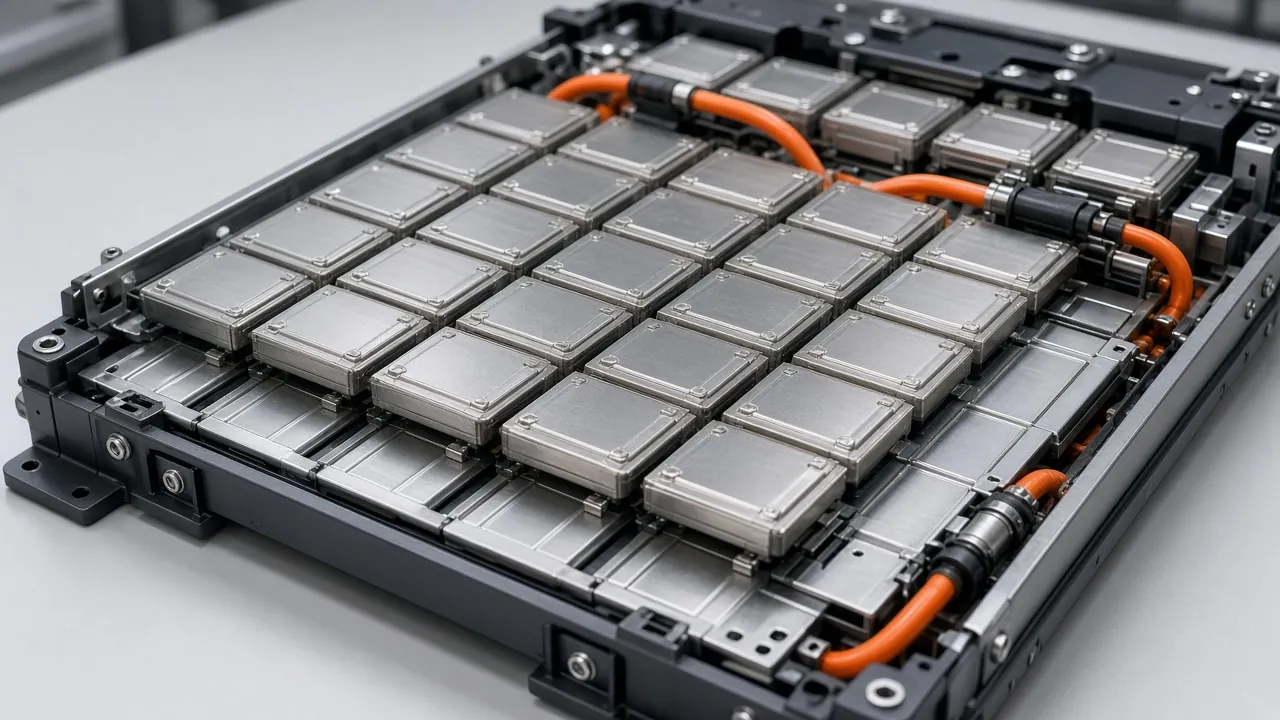
Volkswagen UK and CUPRA UK say the factory is limiting affected cars to an 80 percent charge
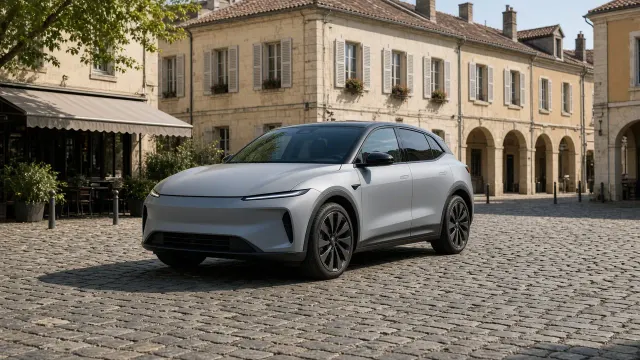
Volkswagen UK's pages for campaigns 93MF and 93MV, and CUPRA UK's page for 93W4, say the factory is limiting affected cars to 80 percent charge. The pages name ID.3, ID.4, ID.7, and CUPRA Born cars with batteries from a specific supplier between 2022 and 2025. They do not print a vehicle count.
Last updated
Volkswagen UK says it is preparing a safety recall, campaigns 93MV and 93MF, for ID.3, ID.4, and ID.7 vehicles whose high-voltage batteries were produced by a specific supplier between 2022 and 2025. The page says overheating may occur above 80 percent, posing a fire risk. It says the factory is temporarily limiting affected cars to 80 percent, in most cases remotely. It does not name the ID. Buzz. It does not print a vehicle count or a publication date. This desk opened the page on 27 October 2026.
CUPRA UK says the same kind of campaign, code 93W4, covers CUPRA Born vehicles with high-voltage batteries from a specific supplier between 2022 and 2025. It says the factory is temporarily limiting affected cars to 80 percent, in most cases remotely, because charging above 80 percent may cause overheating and a fire risk. That page does not print a vehicle count or a publication date. This desk opened it on 27 October 2026.
Both UK pages say a car without the remote limit should use the setting they call Battery Care Mode, in the app or on the infotainment screen. Both say the remote limit needs the car online, privacy settings off, and the ignition on for at least five minutes. Both say direct-current charging still works, because the cap changes how full the battery may be, not which charger can be used. Both say affected owners will get a letter and may be asked to visit a retailer. Both say the battery check takes about an hour and the work is free. Both say some cars may need modules replaced, and that finished work restores the original charging capacity, and thus range. Both say a yellow warning lamp is a reason to contact a retailer. CUPRA's page includes a field for a vehicle identification number. Both say they cannot name the supplier.
Background
Volkswagen UK says there are no confirmed cases of personal injury, and that there have been individual cases of property damage. CUPRA UK gives the same two answers. Those are the answers on the pages opened here.
Volkswagen Denmark published its page on 16 October 2026. The page covers actions 93MF and 93MV and an 80 percent charge limit. For 93MF it lists the ID.3, ID.4, ID.7, ID. Buzz, and ID. Buzz Cargo built from March 2022 to June 2025. For 93MV it names affected models built from September 2023 to June 2025. It says a state of charge between 80 and 100 percent can overheat a cell with the suspected production deviation and, in the worst case, lead to a fire, with a risk of personal injury and property damage. It says owners are contacted through e-Boks. For 93MF it says the check takes up to an hour. For 93MV it says the check takes about an hour. After the check, some cars may get a warning sticker and a charge limit of 80 percent, and others may need nothing further. It says the limit is expected to stay until a software update in the first quarter of 2027. It says the work is free, direct-current charging still works, and a yellow warning lamp is a reason to contact an authorised workshop. The 2027 quarter, the sticker, the ID. Buzz, and e-Boks are on the Denmark page. The UK pages opened here do not print them.
More from the Cars desk: ID. Cross prices in France and Firefly's 60 kWh pack. The Batteries desk has CATL and BAIC's battery-swap pact.