GOV.UK: electric vehicle excise duty of 3p a mile starts on 1 April 2028
The HM Revenue & Customs policy paper, published 13 July 2026, says electric vehicle excise duty starts on 1 April 2028 at 3 pence a mile for battery-electric and hydrogen cars and 1.5 pence for plug-in hybrids.
Last updated
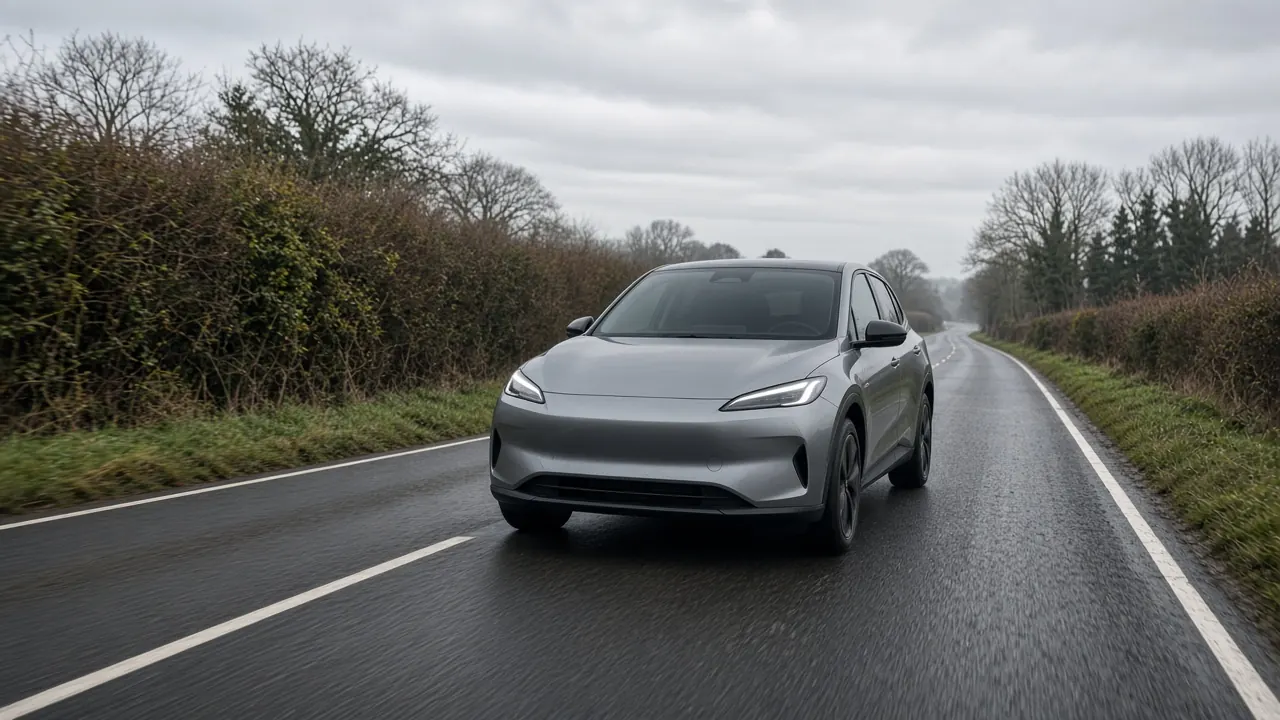
The HM Revenue & Customs policy paper, published on 13 July 2026, says electric vehicle excise duty extends vehicle excise duty. From 1 April 2028 it applies to cars that are battery-electric, plug-in hybrid, or hydrogen fuel-cell. The rates are 3 pence per mile for battery-electric and hydrogen cars, and 1.5 pence per mile for plug-in hybrids. The paper says the rate will be uprated in 2029 to 2030, and in later years, in line with consumer prices inflation.
The paper says drivers give an odometer reading and estimate mileage for the coming tax period, usually a year. The Driver and Vehicle Licensing Agency administers the charge. Payment can be made up front from the estimate or spread through the year, and a year-end mileage reading triggers a reconciliation. Mileage is already collected at the annual MOT and can be viewed for most cars on GOV.UK. Where that applies, the paper says the government intends to use it so the driver's figure is consistent. A car that already has an MOT will typically need no extra check. Motorists pay at the first vehicle-excise-duty renewal after April 2028. The paper says the measure is expected to affect around 5.6 million vehicles in the financial year 2028 to 2029. It says primary legislation will amend the Vehicle Excise and Registration Act 1994.
The paper says petrol and diesel drivers pay fuel duty, electric-car drivers do not currently pay an equivalent, and the Office for Budget Responsibility has forecast that fuel duty receipts will decline. It says eVED is intended to help replace lost fuel duty revenue from cars over the long term, with the amount varying by how much the car is driven. It does not say petrol and diesel drivers will be moved onto the charge.
Background and what happened next
-
What happened next Policy
Canada proposes raising the luxury tax threshold for EVs to $150,000
-
-

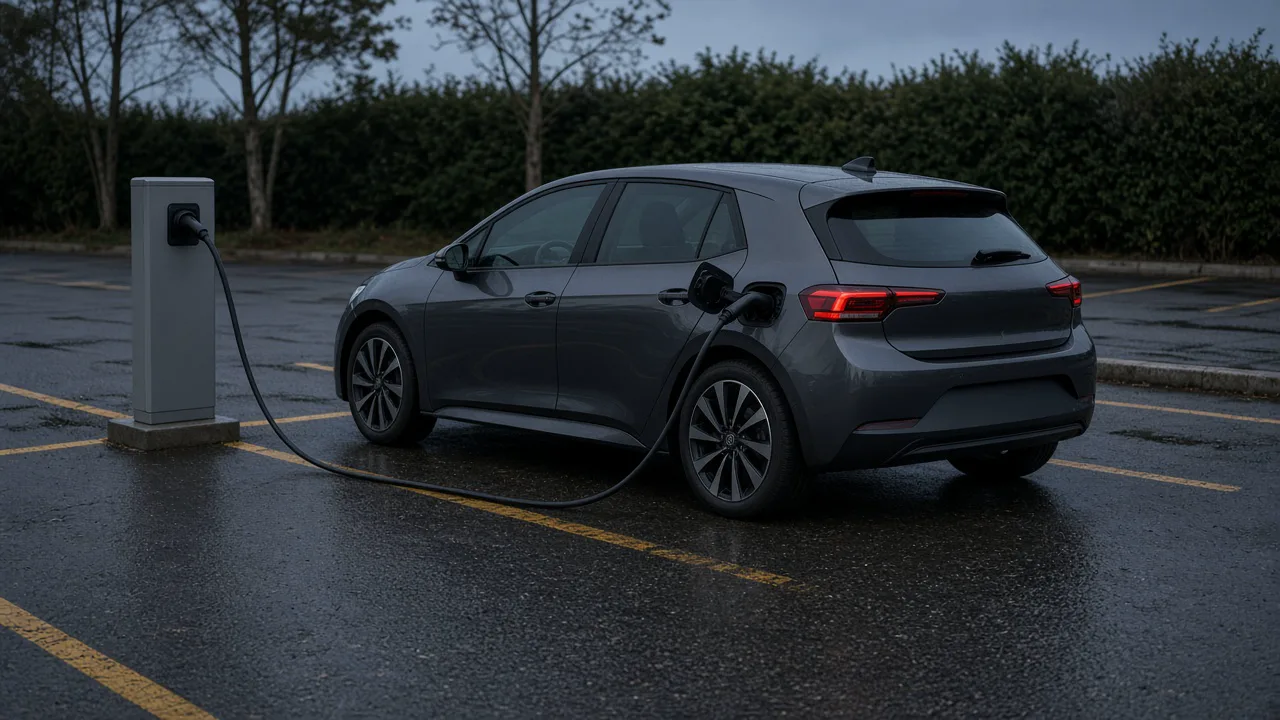
The consultation response, updated on 13 July 2026, calls the 3 pence electric-car rate half the equivalent rate of fuel duty, and the plug-in hybrid rate 1.5 pence. It says vans, buses, coaches, and heavy goods vehicles are out of scope at the start, as are internal-combustion cars converted to electric. It confirms hydrogen fuel-cell cars at the 3 pence rate and range-extender cars at the 1.5 pence rate. It says the government will not require an extra mileage check for cars under three years old that do not yet have an annual MOT. It says fuel duty receipts are set to decline to near zero by 2050, and that electric and plug-in hybrid drivers would still pay less than the equivalent fuel duty.
The zero-emission vehicle mandate review is a separate sales-target consultation. More from the Policy desk: September electric-car shares in France and Germany.
Tags
Sources
Background and what happened next
-
What happened next Policy
Canada proposes raising the luxury tax threshold for EVs to $150,000
-
-