GM Energy Pass drivers can now plug in and charge at Electrify America with no app or card
The feature works now on GM EVs with native CCS ports and comes to native NACS models in early 2027. GM says energy starts flowing about 45 seconds after the cable goes in, based on its own testing.
Last updated
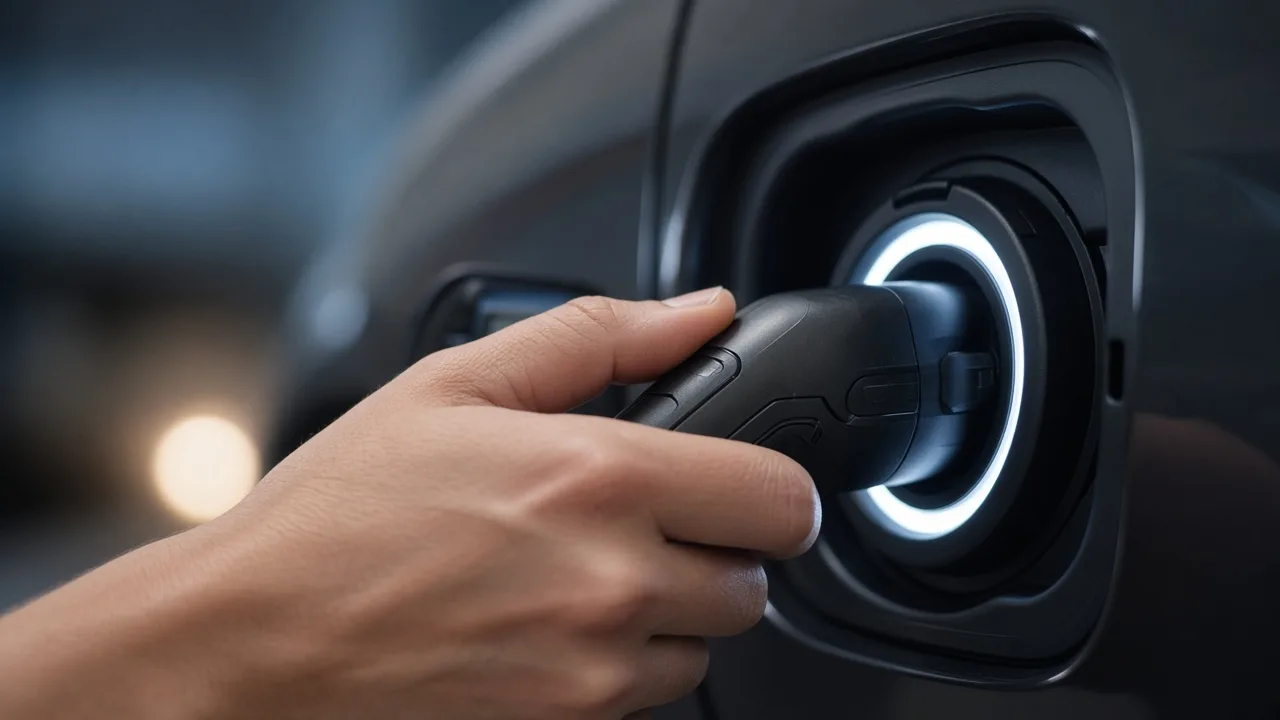
General Motors drivers enrolled in its Energy Pass programme can now start a session at participating Electrify America stations just by plugging in, with no app, touchscreen or credit card, GM said on 17 November.
How it works
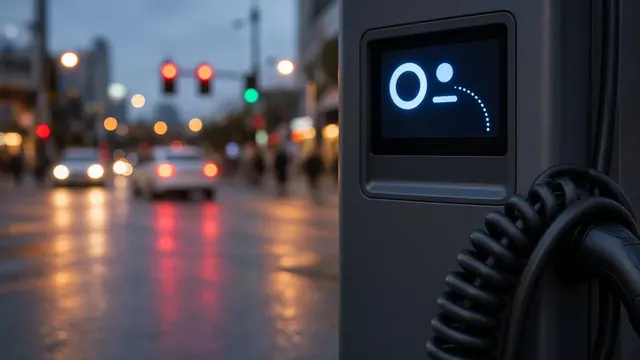
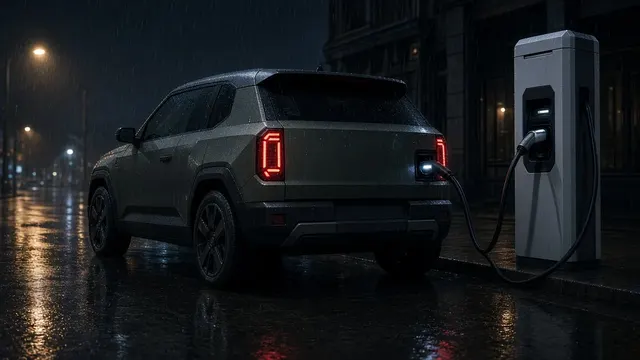
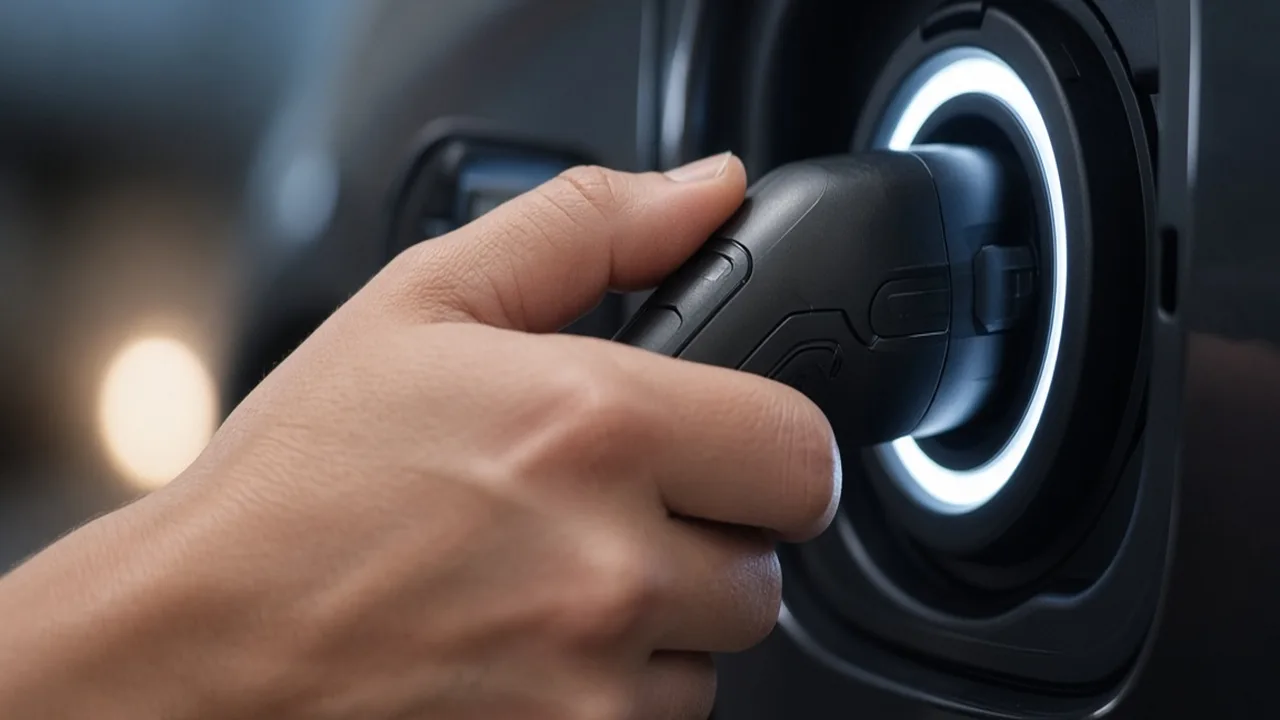
The driver parks at a compatible Electrify America charger and connects the car. The vehicle and charger authenticate the session automatically, the screen welcomes the driver and the charge starts. Based on internal GM testing, energy begins flowing within about 45 seconds. The session is billed through the payment method linked to Energy Pass, and session details and receipts appear in the myChevrolet, myGMC or myCadillac app. To set it up, drivers enrol in Energy Pass in one of those apps, add a payment method and follow the in-app Plug and Charge steps.
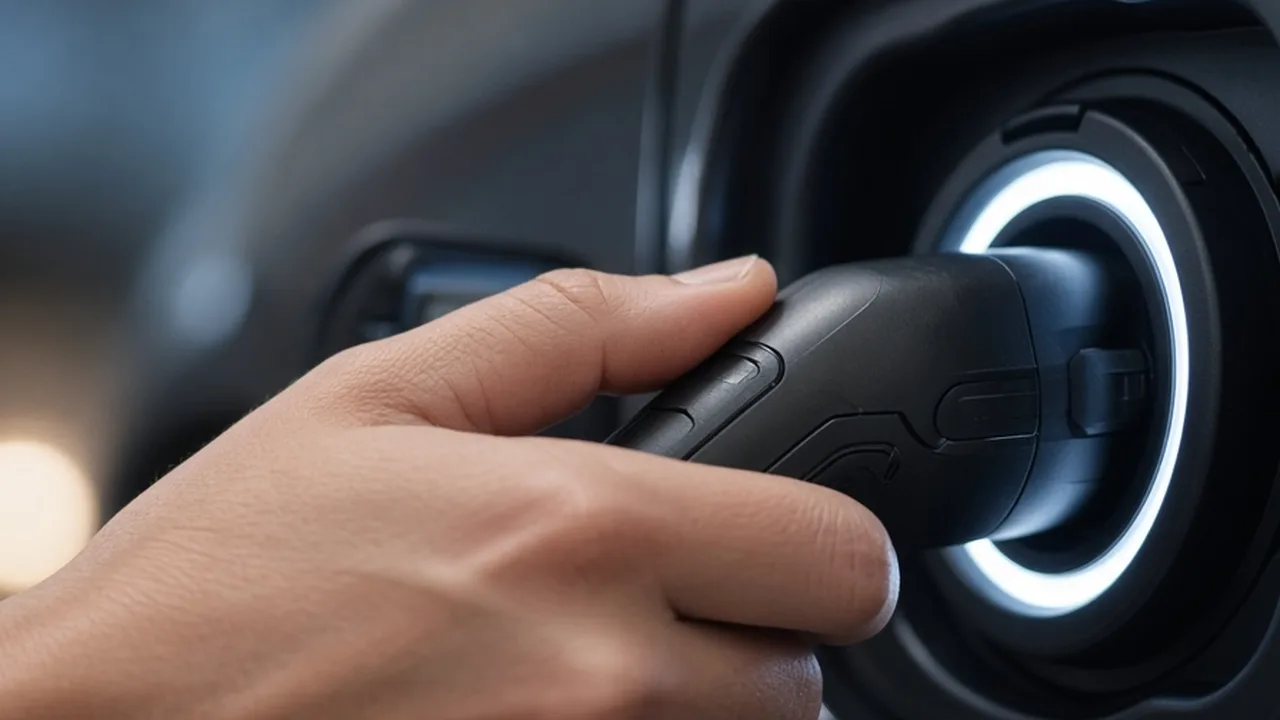
The capability is live now for GM EVs with native CCS charge ports. GM EVs with native NACS ports will get it in early 2027.
Background
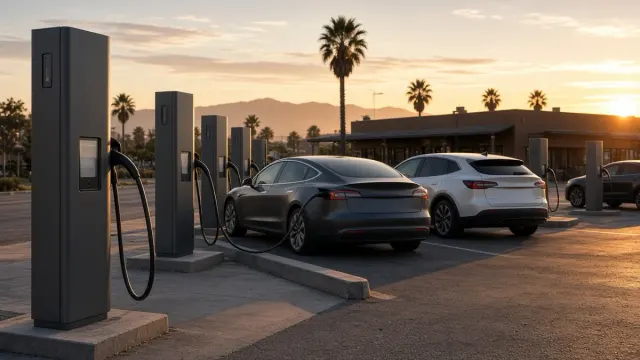
"Loading an app, reading a touchscreen, swiping a card, it all takes valuable minutes," said Wade Sheffer, vice president of GM Energy.
A year of charging changes
GM says this builds on two earlier steps. In January it added Electrify America to its brand apps, bringing more than 6,200 Electrify America fast chargers, most of them capable of 350 kW, into the apps drivers already use. In June it launched Energy Pass, which after a one-time enrolment lets drivers find stations, start and stop sessions, pay and keep receipts in one app across networks that GM says make up about 60% of US DC fast chargers.
What to check
The feature only covers participating Electrify America stations and drivers who have enrolled in Energy Pass. GM says Charge by App and other charging methods keep working during the rollout. Owners of newer NACS-port models will have to wait until early 2027.
Background
CCS and NACS, and what separates Level 1, Level 2 and DC fast charging, are set out in EV charging levels explained. What a home kilowatt-hour costs, which is a different bill from a public fast-charge session, is in what it costs to charge an electric car at home. A separate count of public DC fast ports, 80,930 on 1 November 2026, is in this desk's 8 November report. That port total is not GM's figure of about 60 percent of U.S. DC fast chargers on networks in Energy Pass. The two numbers are not the same measurement. More charging stories are on the Charging desk.